15º Festival Internacional de Cinema de Média LA CABINA, que acontece em València (Espanha) entre 8 e 18 de novembro de 2022.
O 15º Bangalore Shorts Film Festival-26 é um movimento para reconhecer e popularizar o trabalho de cineastas jovens e experientes de toda a Índia e do mundo. A humilde jornada da BSFF começou no ano de 2012 para marcar a celebração dos 100 anos do cinema indiano e para saudar a contribuição da indústria cinematográfica canarense para o desenvolvimento do cinema na Índia. O festival oferece uma plataforma para cineastas aspirantes e profissionais mostrarem seus talentos com oportunidades de networking e marketing na indústria cinematográfica.
O objetivo do festival é criar uma cultura de curtas-metragens na Índia, promover futuros cineastas, desenvolver fontes de geração de receita para curtas-metragens e transformar a produção de curtas-metragens em uma empresa comercial. BSFF-12 a 25 foram um grande sucesso com grande participação de cineastas de todo o país e do exterior.
O objetivo do BSFF-26 é ser ainda maior e melhor com a participação de cineastas. Este ano, o festival apresentará mais workshops e master classes. O Miniboxoffice Film Market será o destaque para os cineastas que desejam se aventurar na produção de longas-metragens. O concurso de curtas-metragens e a programação do festival serão uma delícia.
O Festival de Curtas-Metragens de Malta está agora em seu 13º ano, e é judicado por um painel de juízes. Isso permite que o cineasta e o espectador compreendam o valor de produção de cada entrada e sua capacidade de se comunicar com seu público
O programa final consiste em apresentações de prêmios.
Festival tem um público amplo, 30.000 +
Festival Internacional de Curtas de Montecatini, promosso dalla Federazione Italiana Cineclub (Fédico), con le sue 68 edizioni è uno dei festival di cortometraggi più longevi in Europa.
all'Inizio, era principalmente destinato alle opere nazionali, ma a partire dagli anni '90, quando il Concorso Nazionale spostato in un'altra piccola città della Toscana, San Giovanni Valdarno, Montecatini si è affermata come vetrina di riferimento a livello internazionale, desiderosa di presentare un enorme Panorama di nuove produzioni incentrate su diversi generi e tendenze.
L'obiettivo principale del Montecatini Festival Internazionale del Cortometraggio è quello di dare una visione completa del corto nel panorama cinematografico internazionale, nella sua estensione più ampia, puntando sempre alla qualità dei film e non all'aspetto glamour offrendo una bellissima localização em Toscana pomba discutere e magari trovare collegamenti per lavori futuri.
Ogni anno il Presidente della Repubblica italiana concede la sua adesione e la sua medaglia al Festival Internazionale del Cortometraggio di Montecatini.
Ultimo ma ma non meno importante: registi vêm Franco Piavoli e Nanni Moretti sono da segnalare tra i registi emergenti nei primi 60ties um Festival Internacional de Curtas de Montecatini.
Since 2003 the international Festival SIGNES DE NUIT is active in Paris, Berlin, Saarbrücken and with special screenings world wide. The festival in Paris actually presents around 300 films coming from around 50 countries at different places in Paris. In Berlin the festival will be performed in the legendary cinema Babylon.
The International Festival SIGNES DE NUIT based in Paris is made up of films, which reflects new views, original imagery and critical approach to the crucial points of the modern human existence. It is a place for cinema that expands its own boundaries, that is astonishing, different, potentially free from the pressure of tradition, ready to give itself to the unpredictable experimentation.
The minor costs of digital production makes an independant- from comercial influences and any kind of censorship- production possible. These independant productions create an alternative, an artistic space very subtle and accessible to all, in contrast to what mass media offer.
This opposition and the preservation of the free cultural space is the goal of the International Festival Signes de Nuit, which has realized screenings and interventions in 29 different countries including Algeria, Australia, Chile, Cuba, Lebanon, Lithuania, Indonesia, Italy, Japan, Peru, Russia, Tunisia, Turkey and the United States beside the screenings in main festival in Paris.
The nominated director (producer, or another designated representative from the production team) will be invited to Washington, DC to attend a 4-day festival and other related activities including a post-screening Q&A with the audience and filmmakers’ forum and discussion panel. The festival committee will provide accommodation and food subsidies for the duration of DCCFF to the best of its ability. Finalists are independently responsible for obtaining a visa for travel to the U.S. and travel insurance.
2nd edition
Aug 04 - Sep 12, 2014
München, Germany
Open Call Open to Public Competitive Market Special Fees
Festival type Real Venue Festival
Types of films Any type, Animation, Docu-feature, Documentary, Experimental, Hybrids, Industrial, Multimedia, Narrative fiction, Student, Web
Film length Full length, Mid-length, Short
Genre Adventure, Alternative, Art, Avantgarde, B-Movie, Biography, Burlesque, Classics, Comedy, Crime, Culture, Dance, Dark comedy, Drama, Environmental, Fantastic, Fantasy, Film noir, Hip Hop, History, Horror, Human rights, Independent, LGBT, Live Action, Microcinema, Mockumentary, Musical, Mystery, , Parody, Post modern, Realism, Reality, Road Trip, Romance, Science fiction, Silent movie, Surreal, Transgender, Underground, Urban
Mission / description MUFF:
The Munich Underground Film Festival, MUFF began in December 2012, when two college friends Heike Mohler & Erika Rahner, decided to organize a totally independent festival in Munich and the two organizers had internet creativity and only then decided to put together a team of friends and some German filmmaker and made MUFF first in 2013, totally haphazardly and rebellious spirit that caused controversy and some processes. The festival takes place every year. Through the festival's official website, online, group discussion and interaction among participants. Through the controversies that hovered the festival, the impact was so great that several support and partnerships were closed with the festival organization. The MUFF is consolidated in the second edition as one of the most respected underground film festivals in Europe.
A Associação do Festival de Cinema de Ayerbe lança esta segunda etapa do “Festival Internacional de Curtas-Metragens Villa de Ayerbe”.
Desde a 19ª edição, com novos membros na organização, queremos dar um grande impulso ao festival. Além da competição internacional, criamos uma nova seção dedicada à Ciência e Pesquisa para dar maior visibilidade ao evento e, a partir desta edição, os prêmios agora são chamados de “Prêmios CAJAL”.
Queremos continuar com a ideia de colaboração com cidades vizinhas.
Essa colaboração é realizada desta forma: Todos os curtas-metragens selecionados podem ser exibidos localmente em colaboração simultaneamente com o desenvolvimento do Festival e seus votos servirão para conceder o prêmio público.
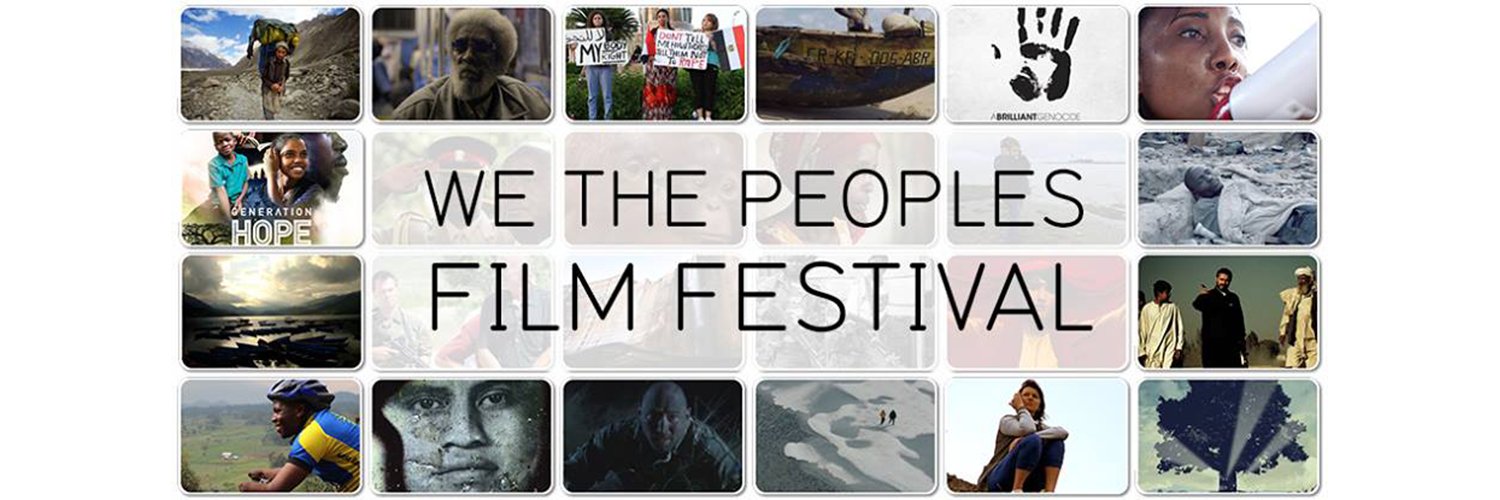
Organizações governamentais e o primeiro festival mundial de filmes sobre desenvolvimento internacional de jovens diretores.
Objetivos do festival
Incentive cineastas e criativos a trabalharem juntos para aumentar a conscientização sobre os Três Pilares da Liberdade por meio da exibição de filmes criados em torno desses temas.
Três pilares da liberdade e do meio ambiente
* Liberdade de querer: através da realização dos Objetivos de Desenvolvimento Sustentável da ONU
* Liberdade do medo: por meio de esforços para promover segurança coletiva e paz.
* Liberdade de viver com dignidade: através da aplicação da justiça para todos, a partir da Declaração Universal dos Direitos Humanos.
Desenvolvimento: pobreza, abrigo, saúde, educação, gênero, governança, finanças
Segurança humana: prevenção de conflitos, resolução de conflitos, manutenção da paz, abrigo, migração
Direitos humanos: gênero, educação, dignidade, participação
Meio ambiente: questões ecológicas, preparação e consequências de desastres naturais, sustentabilidade, novas tecnologias
Curtas-metragens: qualquer uma das opções acima
Jovens cineastas: menos de 25 anos
IMAGINARIA é o primeiro e único festival internacional de animação da região da Apúlia.
Em sua história, a Imaginaria cresceu enormemente, conquistando uma importante posição artística e social no setor dos festivais internacionais.
Festival de “pessoas e lugares”, Imaginaria consegue criar uma atmosfera familiar entre o público e os profissionais que vêm em cinemas ao ar livre de Conversano. Imaginaria, que se caracteriza pela importância dos “números” e pela excelente qualidade de milhares de obras de destaque internacional, é um projeto de promoção, divulgação, formação cinematográfica, que visa promover os autores independentes de filmes de animação. A Imaginaria pretende desencadear, numa perspectiva de longo prazo, todas as sinergias possíveis na comunidade contribuindo para criar oportunidades socioeconómicas na área e, ao mesmo tempo, promover a cultura da animação. O festival, portanto, é um projeto que visa difundir o uso e o conhecimento de filmes de animação não só durante o evento, realizado todos os anos em Conversano, mas também em lugares e épocas do ano usando diferentes redes, constituídas por outros festivais e exposições (nacionais e internacionais) às quais Imaginaria participa ou que é o promotor.
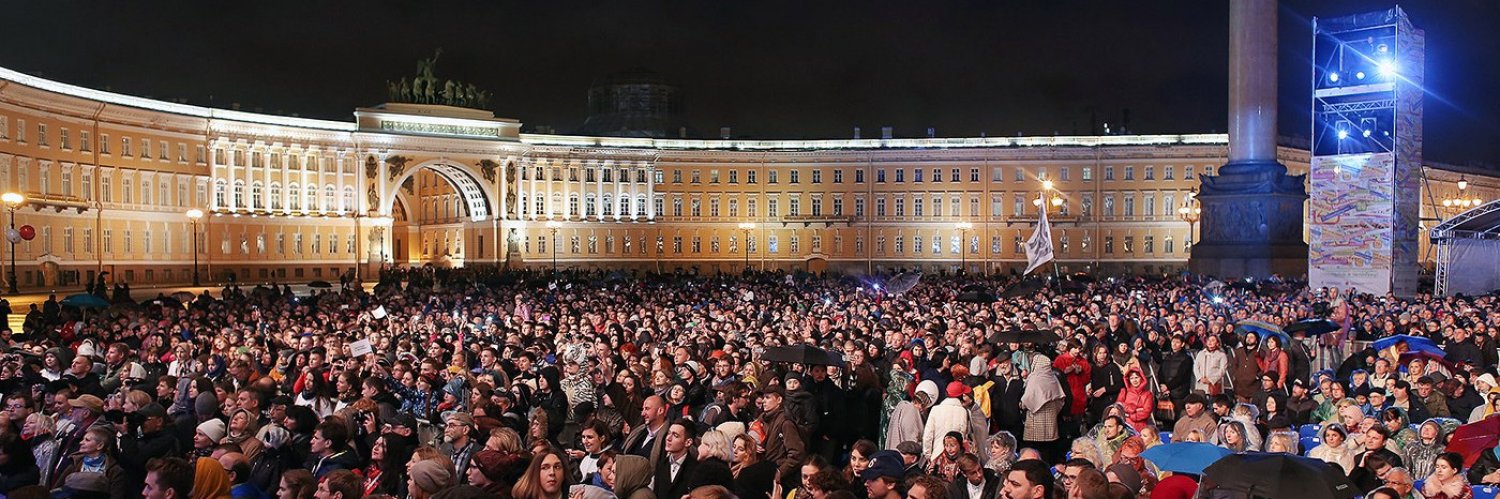
O 36º Festival Internacional Message to Man de documentários, ficção curta, animação e filmes experimentais acontecerá de 16 a 24 de outubro de 2026 em São Petersburgo, Rússia.
Ao longo dos anos, o Festival recebeu figuras ilustres do cinema mundial, incluindo Werner Herzog, Ulrich Seidl, Claude Lanzmann, Isabelle Huppert, Fanny Ardant, Agnès Varda, Mira Nair, Paolo Sorrentino, Alan Berliner, Eric Roberts, Jonathan Rosenbaum, Abdellatif Kechiche, Udo Kier e muitos outros.
Com uma história de três décadas de desenvolvimento cinematográfico, a Message to Man foi fundada em 1989 em Leningrado pelo cineasta Mikhail Litvyakov, que agora atua como Presidente Honorário do Festival.
Em 2010, Alexei Uchitel, renomado diretor de documentários e longas-metragens, assumiu o papel de presidente do Festival.
O programa do Festival gira em torno de três competições: internacional, nacional e experimental, fornecendo uma plataforma para filmes completos e curtas-metragens disputarem o Grande Prêmio do Festival. Message to Man atrai constantemente milhares de entusiastas do cinema a São Petersburgo todos os anos.
The Balkan Film Food Festival is not a festival only about Food and Culinary. The Balkan Film Food Festival is about Balkan Film Production. The Festival intent is to create a climate of understanding of friendship and collaborations among Balkan countries. All guests sit on a common table and taste our common Balkan culinary drink the same wine.
Cuisine is part of this event and it aims at having better friendly contacts among the participants.
Learn more at http://www.miragefilmfest.com
Film Competition Categories
FEATURE-LENGTH FILMS
The Festival welcomes submissions for feature films in narrative and documentary categories. All selected features will participate in the festival’s MAIN EVENT competition. Entering all films into the MAIN EVENT puts everyone on an even playing field in the completion and recognizes the best from across all different styles and genres in the independent film community. In addition, Mirage Film Festival offers several competitive sub-categories designed specifically to recognize excellence within various genres and help promote the various styles, methods and techniques that populate the ever expanding world of cinema.
Main Event - main competition program for all eligible feature-length films
Darkest Before the Dawn - dedicated to showcasing feature length genre films
Cinema Mavericks - feature-length films with budgets less than $1.5 million USD
Newcomer - available exclusively for first-time, feature-length directors.
WorldCine - feature-length films which were financed and filmed outside of North America
The Dockect - non-fiction feature-length documentary films
SHORT-LENGTH FILMS
The Festival offers a robust competition program for short films, divided into institutional and non-institutional categories.
Institute Of Cinema - highlighting the very best in student produced short films
School Of Hard Takes - giving independently produced short films a voice of their own
NEW MEDIA MARVELS - NEW MEDIA/WEBISODE COMPETITION
New Media Marvels is designed to recognize and reward exceptional work in the expanding new media landscape. With the increasing number of success stories of TV series, films and documentaries being developed and produced based on new media content, the Festival's New Media Marvels program provides a solid forum for these new age filmmakers to showcase their stories and network with distributors, producers and industry executives.
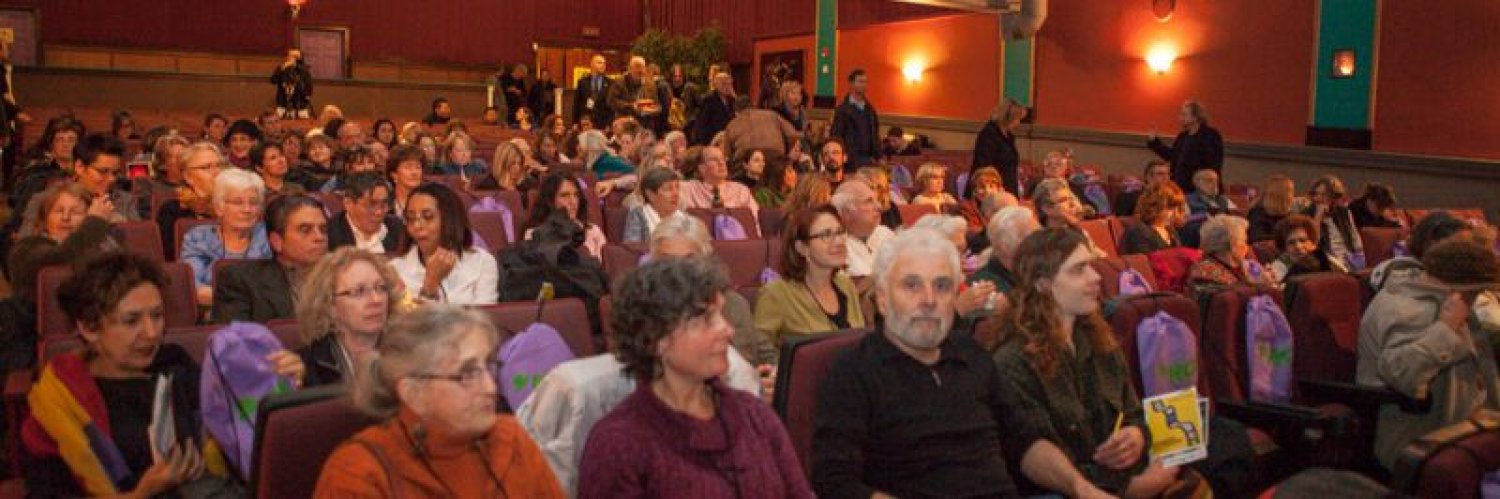
Arlington International Film Festival (AIFF) is an award winning organization with its mission being to foster appreciation for different cultures by exploring the lives of people around the globe through independent film. In 2014 AIFF was awarded the Community Recognition Award by the Arlington Martin Luther King Committee, in 2013 the Alan McClennen Community Arts Award by the Arlington Center for the Arts and the Gold Star Award by the Massachusetts Cultural Council. Through the founding of AIFF, the mission has also focused on enriching the community and broadening the view of our world and ourselves. AIFF believes that the arts are here to connect us, to communicate across boundaries, and touch our common humanity.
AIFF is open to national and international filmmakers. Whether professional or a first time filmmaker, we welcome innovative, original films with unique perspectives. Many of our selected films have been nominated for Academy Awards; i.e. BOTSO: The Teacher from Tbillisi directed by Tom Walters, Elena directed by Petra Costa, and Documented directed by Jose Antonio Vargas. We Still Live Here directed by Anne Makepeace was chosen by the U.S. State Department to screen around the world.
The year 2015 by can be easily termed as the ‘year of intolerance ‘in Indian socio-political and cultural milieu. This was coming all the way from the time the right wing party was voted to rule the country. It began with re-writing Indian history and text books for schools, colleges and academic institutions, running down Gandhiji, the architect of free India as also the free thinkers, eliminating rationalist, outspoken intellectuals and scholars, isolating artists and film makers, taking control of Central Board of Film Certification by forcing the eminent men and women constituted that body to resign en-mass. The right wing people have taken charge of all public art and cultural organizations.
People from the minority communities have been lynched and killed for suspecting to have eaten beef. Cow slaughter has been banned in states like Maharashtra taking away food from the tables of minority communities as well as daliths and increasing the burden on the farmers already bending backward with debt and are committing suicide. Those who protested the beef ban have been beaten up in Kashmir, in Uttar Pradesh and New Delhi. When the public very clearly understood that the general response of the government to these problems were dismissive as something that is done by antisocial elements people began to take action. The prominent scholars, writers, poets, actors, film makers and theatre personalities started returning the awards they received from the government. There were protests across the country, from politicians and eminent citizens.
Another aspect of this intolerance is manifested in witch hunting NGOs like Green Peace for very prominently taking up environmental issues and challenging the implementation of economic projects without proper environmental impact assessment. Those NGOs on the hit list of the government is harassed in every possible ways including cancelling their FCRA numbers and freezing their accounts. Fortunately so far the justice system was very fair in their judgments which has given much relief to the NGOs under the government scanner. Generally NGOs these days are seen by the politicians as people ‘against development’.
These very arrogant postures of the government was downsized by the people of India through democratic resurgence. First they lost a very high pitched assembly election in Delhi to Aam Admi Party and later in another high pitched assembly election in Bihar the right wing lost to an alliance of democratic forces represented by Lalu Prasad Yadav and Nitish Kumar the local leaders. In all these instances the media was very pro-establishment. Were they too scared to investigate issues and inform the public?! While we hope that the people will elect democratic and secular parties in the Assembly elections happening now in April/May 2016,we need to nurture grass root level democratic practices which is one of the major objective of the festival. Whatever work we are engaged in now is from a very diminished public sphere. We do not know what the future holds for us but for now we belong to the breed of marginal citizens of this country.
As for our experience in this specific field is concerned, Bangalore Film Society was the South India coordinator of Tri-continental Film Festival "Human Rights in Frames from 2007 to 2009 organised by an NGO called Breakthrough. An average 5000 to 6000 people used to attend this festival in Bangalore in three days and the event had become very popular. Apart from this, we used to take these films to academic institutions as well as film societies in all South Indian States. However, the tricontinental film festival closed after 2009 and at present to the best of my knowledge we don't have a human rights film festival of that magnitude.
In the present Indian context, Bangalore Film Society wish to start an International Human Rights Traveling film festival from December 7th to 10th or from 9th to the 12th 2016 (depending on the availability of the auditorium) and organise a conference on freedom of speech and the right to dissent. The films selected will address major international human rights concerns such as refugees, lgbt sexuality, boarders, women, socio-political conflict, communal conflicts, child labour/abuse and so on The emphasis on the impact it should create. Once the festival is over these films will be circulated for screenings in educational, media institutions and film societies across India.